OS5
IPv6 unicast/multicast (RIPng/OSPFv3/PIMv6), RIP v1/v2/RIPng, OSPF v1/v2/v3, DVMRP, PIM/PIMv6, VLAN routing, VRRPv3, NAT (Static/Dynamic/PAT), VRRP-aware PIM.

The switch supports advanced multicast and VLAN management features, including IGMPv3, GMRP, router port, MLD snooping, and static multicast forwarding for video surveillance applications. It also provides protocol-based VLAN, subnet-based VLAN, QinQ, QoS, and GVRP, enabling flexible traffic segmentation and efficient VLAN deployment across mixed managed and unmanaged networks. In addition, the switch offers comprehensive DHCP functions such as option 82, port-based and MAC-based assignment, options 7/42/60/66, and DHCP snooping, allowing precise IP address allocation and enhanced network security.
OS5 certificate
OS4 compliance*
OS3 compliance*
OS2PRO verfication
Optional certified IEC 62443-4-2 with SEC model and Security KEY root of trust (license required).

OS5
Built-in hardware-based encryption, integrity checking and replay protection at Layer 2 with zero latency at wire speed—encrypts all traffic including ARP/DHCP/LLDP/routing updates/data packets.

OS5
Built-in hardware-based encryption, integrity checking and replay protection at Layer 2 with zero latency at wire speed—encrypts all traffic including ARP/DHCP/LLDP/routing updates/data packets.
✅USM ✅VACM ✅TSM

OS5
OS4
OS3
OS2PRO
Lantech’s DoS/DDoS protection helps block common attack types such as SYN flood, ICMP flood, UDP flood, spoofing, and packet-based scans. It also protects backend devices like servers, cameras, and wireless APs to keep the network stable and secure.

OS5: Ingress/Egress
OS4: Ingress/Egress
OS3: Ingress/Egress
OS2PRO: Ingress only
ACL Ingress/Egress provides precise traffic control by filtering packets as they enter (ingress) or leave (egress) a network interface. Ingress ACLs ensure only authorized traffic can access the network, while egress ACLs regulate outbound flows to prevent unwanted or malicious data from leaving. Together, they enhance security, optimize performance, and reduce unnecessary network load. Note: This feature is supported only on selected models.

RADIUS enables centralized authentication and authorization, helping you manage user access efficiently across the network. It strengthens access control while simplifying administration and improving operational consistency.

TACACS+ provides secure, centralized control for device administration with detailed authorization and accounting. It is ideal for environments that require fine-grained access policies and stronger visibility into user actions.

Dynamic ARP Inspection helps protect the network from ARP spoofing by validating ARP packets before they are forwarded. This adds an important layer of defense against man-in-the-middle attacks and unauthorized traffic manipulation.

IP Source Guard filters traffic based on trusted IP-to-port bindings, preventing devices from using unauthorized source IP addresses. It helps stop IP spoofing and reinforces access integrity at the edge.

Port Security limits access to approved MAC addresses on each port, reducing the risk of unauthorized device connections. It is a simple and effective way to harden access control at the switch level.

VLAN-based segmentation separates devices into logical groups, reducing broadcast domains and limiting traffic exposure. It improves security, simplifies network management, and supports cleaner policy enforcement.
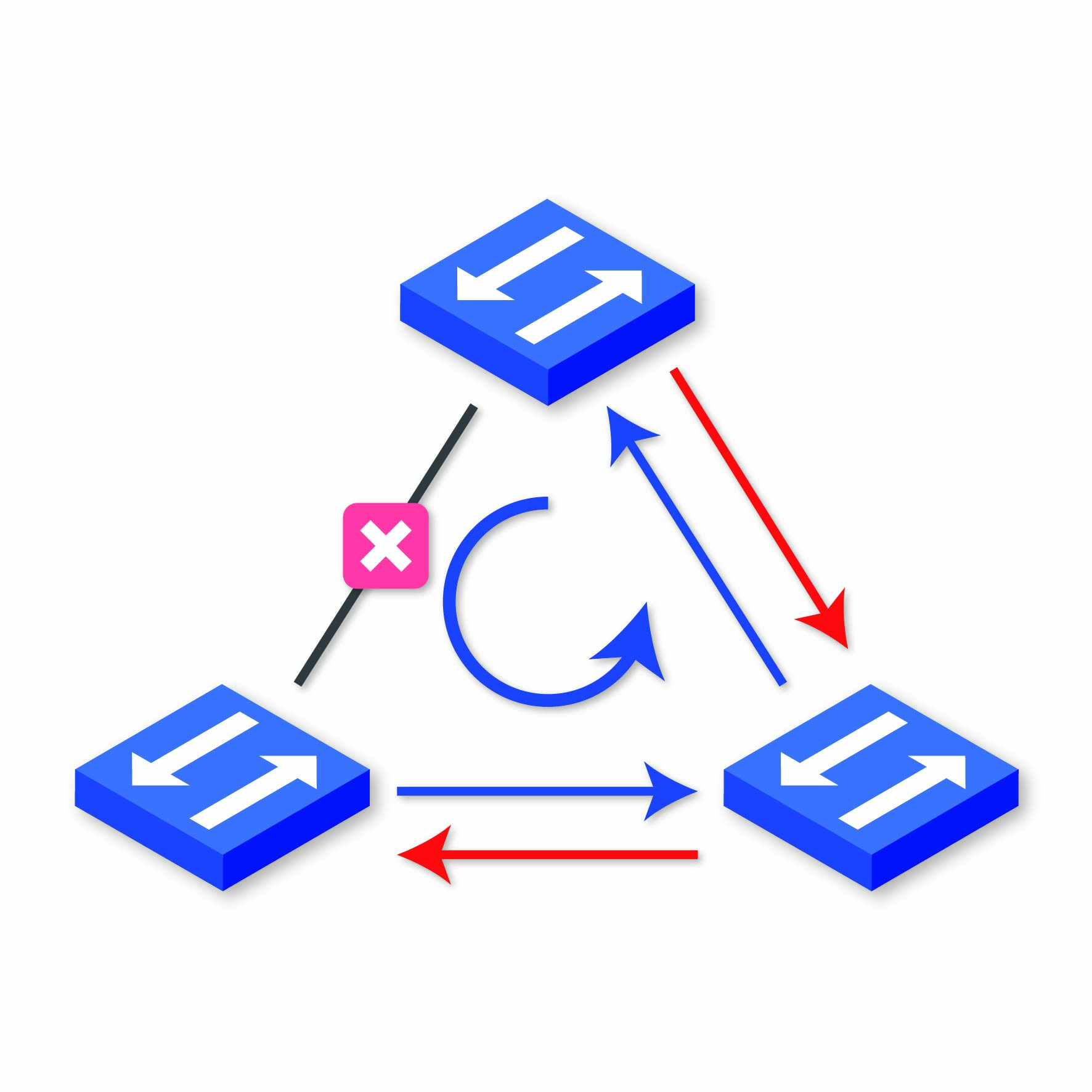
STP helps prevent switching loops that can cause broadcast storms and network outages. By automatically blocking redundant paths when needed, it keeps the network stable, resilient, and more secure.